
Lessons from Slowing Down: Listening to What Your Body Really Needs
Lessons from Slowing Down: Listening to What Your Body Really Needs
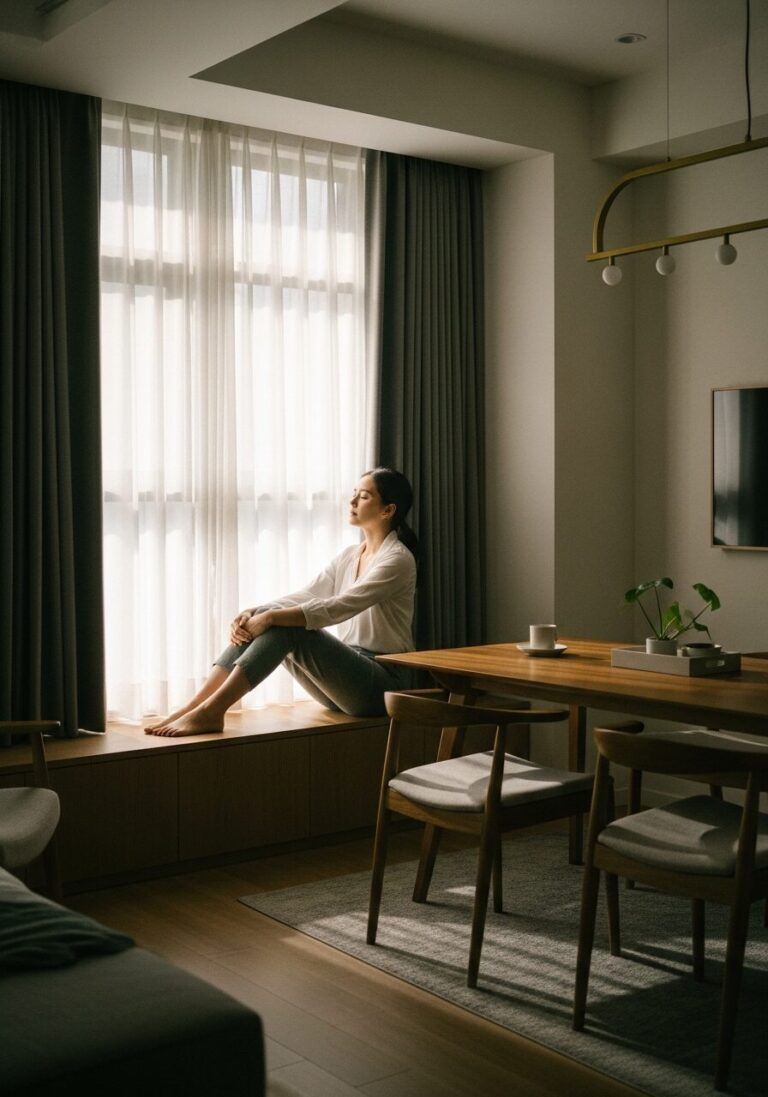
In a world that glorifies hustle, slowing down can feel like failure. But what if your constant drive to do more is exactly what’s keeping you from feeling better? Pausing long enough to hear what your body is asking for isn’t lazy—it’s *strategic self-awareness.*
The inspiration for this idea comes from a Source article, where the author realized that “doing all the wellness things” wasn’t the same as *actually* resting. And that lesson rings true for anyone feeling stuck in the burnout cycle.
Let’s explore what slowing down really means, why it matters for your emotional health, and how you can start right now—even if your schedule feels impossible.
Why Slowing Down Isn’t Weakness
Slowing down doesn’t mean stopping. It means **creating space to reset** before your body—or mind—forces you to. When you pause the endless motion, you allow your nervous system to shift out of the constant fight-or-flight mode and into a state of repair and clarity.
Here’s what often gets in the way:
– You’ve linked productivity to self-worth.
– Rest feels like wasted time.
– Your version of “self-care” is yet another to-do list.
It’s easy to think more movement, more mindfulness apps, and more “shoulds” will fix everything. But most of the time, your body isn’t asking for more *input.* It’s asking for less noise.
**Slowing down is actually a form of optimization**—a recalibration that helps your body and mind work *better,* not just harder.
The Real Relationship Between Stillness and Emotional Health
Your emotional state isn’t separate from your physical one. When your body stays in high-alert mode, your emotional balance goes with it. Restoring calm to your body directly supports:
– **Reduced anxiety:** You start responding instead of reacting.
– **Improved clarity:** Your brain functions better with recovery time.
– **Greater self-compassion:** Stillness lets your mind speak kindly again.
– **Better boundary recognition:** You see when to stop before burnout.
When you slow down, you reconnect with a simple truth: your body is already trying to help you heal—you just have to stop overriding its signals.
3 Real-World Style Use Cases
1. The Driven Professional
Maria works in marketing. Deadlines rule her calendar, and she convinces herself she’ll rest “after this project.” Her body eventually rebels—insomnia, jaw tension, and intermittent dizziness. She takes a weekend offline and simply *breathes.* Instead of powering through, she schedules 20-minute “white space blocks” mid-morning each day. Her productivity increases, but more importantly, she feels grounded for the first time in years.
**Lesson:** You don’t need a month off; you need micro-pauses that protect your energy.
2. The Overextended Caregiver
James juggles work and caring for his aging mother. He tells himself there’s no time to rest. Then, while grocery shopping, he realizes he’s so tired he can’t remember what’s on the list. He commits to one small shift: each night, no screens or tasks after 9 p.m.—just quiet music or stretching. Within two weeks, his sleep improves, and so does his patience.
**Lesson:** Rest restores emotional bandwidth—making care more sustainable.
3. The Creative on Empty
Tasha, a freelance designer, hits creative block. She assumes she’s lost her spark. Instead of forcing inspiration, she starts daily walks without her phone. The quiet becomes a reset button. Ideas sneak back in—not from effort, but from stillness.
**Lesson:** Creativity thrives in open, unhurried spaces.
Try This in 10 Minutes
You don’t need a full retreat to start slowing down. Start small. Here’s a simple practice:
1. **Find stillness:** Sit or lie down comfortably. No phone. No background sound. Just breathe.
2. **Scan your body:** Notice where tension pools—shoulders? jaw? chest? Don’t fix it; just observe.
3. **Ask one question:** “What does my body need right now?” Maybe it’s water, a stretch, or a pause before replying to that text.
4. **Act on one signal:** Do that one small thing, slowly, intentionally.
Repeat once a day. The goal isn’t perfection. It’s *pattern interruption.* Over time, this becomes second nature—your body whispering instead of screaming.
FAQs
1. Isn’t slowing down just procrastination in disguise?
Not when done intentionally. Procrastination avoids discomfort; slowing down helps *process* it. The key difference is awareness. You’re not avoiding action—you’re optimizing energy.
2. What if I literally don’t have time to slow down?
Start with *micro-moments.* Thirty seconds between meetings to stretch. Two minutes before bed with no screens. The practice grows naturally as you see results.
3. How do I know if my body needs rest or movement?
Listen for *quality* of energy. If you feel sluggish but mentally clear, gentle movement helps. If you feel wired but foggy, rest might be the call. The more you ask, the more accurate your body’s answers get.
Your Body Is Smarter Than Your Schedule
Slowing down isn’t glamorous—it’s honest. It’s saying: “I trust that rest is productive.” When you choose to pause, you let your body catch up to your life. And in that space, balance begins to rebuild itself.
So today, trade one “should” for one moment of stillness. Breathe deeply. Take note of how powerful that feels—and let that guide your next step.
**Ready to start?** Begin with ten quiet minutes right now. Your body’s already waiting.