7 Creative Family Gratitude Rituals That Actually Stick
7 Creative Family Gratitude Rituals That Actually Stick
Gratitude isn’t just a “say thank you” exercise—it’s a strong>powerful mental fitness tool that can lower stress, boost resilience, and deepen connection. When you turn gratitude into a shared family practice, you’re not just being “nice”; you’re building an emotional support system that your family can lean on when life gets messy.
This post walks you through **7 creative, doable family gratitude practices** that make appreciation meaningful, fun, and sustainable—even if your schedule is chaos and your kids roll their eyes at anything “mushy.”
Why Family Gratitude Practices Matter
Gratitude changes how your brain sorts reality. Instead of scanning constantly for what’s wrong, you train it to notice what’s working, who’s helping, and where you’re growing.
For families, consistent gratitude practices can:
– **Reduce stress and anxiety** by shifting focus away from constant problems.
– **Improve communication** by creating structured, low-pressure moments to share.
– **Build emotional safety** so kids and adults feel seen and valued.
– **Strengthen resilience**—when things go sideways, you already have a habit of looking for anchors and resources.
In other words, you’re not just teaching your kids to say “thanks”; you’re giving your whole household a **simple daily nervous-system reset.**
7 Creative Gratitude Practices for Real Families
You don’t need to do all of these. Pick 1–2 that feel natural and build from there.
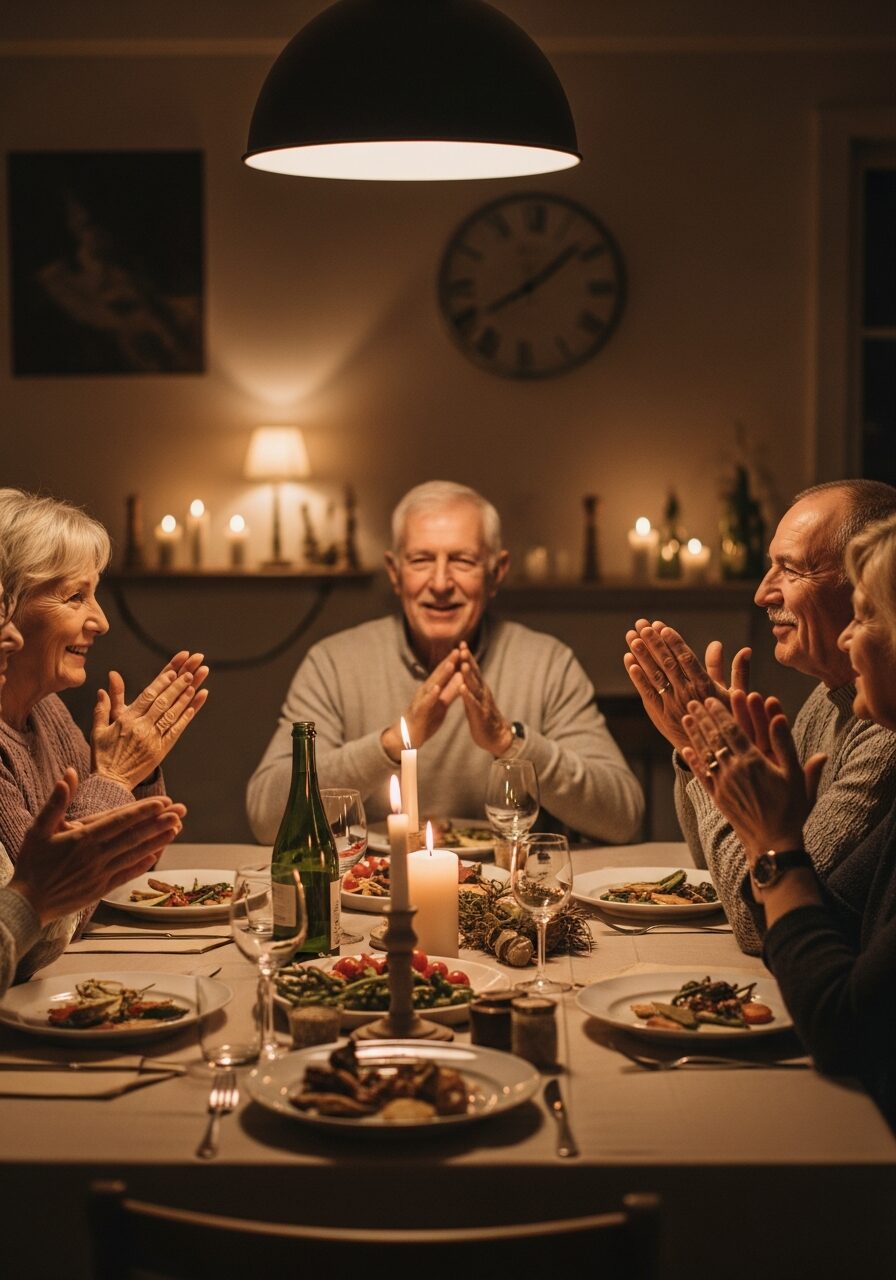
1. The “Gratitude Snapshot” Dinner Ritual
At dinner (or any shared meal), everyone answers two prompts:
1. **“One thing I appreciated today…”**
2. **“One person who made my day easier was…”**
Keep it short—30 seconds each. No speeches required.
To make it stick:
– Rotate who starts each night.
– If someone had a rough day, let them pass or say, “I’m grateful this day is over.”
2. Family Gratitude Wall
Designate a whiteboard, corkboard, or a patch of wall. Add:
– Sticky notes with **“I’m grateful for…”**
– Quick shoutouts like **“Thanks to Dad for helping with my project”**
– Little drawings for younger kids
Practice:
– Everyone adds **at least one note per week**.
– Read a few together on Sunday nights as a quick reset before the week starts.
3. “Micro-Thank You” Text Chain
For families with older kids or busy schedules:
– Create a **group text or chat** titled “Gratitude Drops.”
– Rule: Share **one small appreciation per day**—a person, a moment, or something that went right.
This keeps gratitude alive even when you’re not physically together.
4. Gratitude Treasure Hunt
Once a week, do a **5-minute “hunt”** around your home:
– Each person finds **one object** that represents something they’re grateful for.
– Everyone shares:
– What the object is
– What it represents
– Why it matters
This is great for kids who communicate more easily through **objects and stories** than straight talking.
5. “Thank You, Past Me / Future Me”
Once a week, ask:
– **“What is something Past Me did that I’m grateful for?”**
(Example: “Past Me started my assignment early.”)
– **“What can I do today that Future Me will thank me for?”**
(Example: “Future Me will thank me for putting my clothes away.”)
This practice quietly builds **self-respect, planning skills, and self-compassion**, not just gratitude.
6. Gratitude Story Nights
Once or twice a month, swap **gratitude stories** instead of just listing items:
– “Tell a story about a time someone surprised you with kindness.”
– “Share a time when something hard turned into something you’re now grateful for.”
Story-based gratitude helps kids connect the dots between **challenge, support, and growth**.
7. Family Gratitude “Care Package”
Once a quarter:
– As a family, pick **one person or group** to appreciate: a teacher, neighbor, coach, or local workers.
– Create a care package or card set:
– Handwritten notes
– Small treat or drawing
– A simple “3 things we appreciate about you” list
This shifts gratitude **outward**, turning it into service and expanding your family’s sense of connection.
(You can explore more ideas in the original Source article, then adapt them to your own style.)
How Gratitude Supports Holistic Well-Being
These practices touch all parts of well-being—not just mood.
– **Emotional**
– Helps regulate big feelings by pairing them with grounding appreciation.
– **Mental**
– Trains attention to notice resources, not just threats.
– **Relational**
– Builds a culture where appreciation is **normal**, not rare or awkward.
– **Physical**
– Lower stress and better sleep often follow consistent gratitude routines.
– **Spiritual (in a broad sense)**
– Creates a sense of meaning, connection, and “I’m part of something bigger than just my to-do list.”
Think of gratitude as **low-friction maintenance** for your family’s collective nervous system.
Real-World Style Use Cases
Use Case 1: The Busy, Burned-Out Household
Two working parents, three kids, sports, homework—everyone’s exhausted and snappy.
They start with:
– A **30-second Gratitude Snapshot** at dinner.
– A **Sunday Gratitude Wall check-in**.
Within a few weeks:
– Fewer arguments at bedtime.
– Kids start spontaneously thanking each other for small favors.
– Parents notice their own stress feels slightly more manageable.
Use Case 2: Co-Parenting Across Two Homes
Divorced parents share custody of two teens. They want stability and connection even when apart.
They create:
– A shared **“Gratitude Drops” chat** where each person posts one appreciation daily.
– Once a month, a **Gratitude Story Night** on video when they’re not in the same house.
Result:
– Teens engage more in the chat than in forced “How was your day?” talks.
– Both homes share a **consistent emotional thread**, even with different rules and routines.
Use Case 3: Supporting a Child with Anxiety
A 9-year-old struggles with worry and worst-case thinking.
The family adds:
– **“Thank you, Past Me / Future Me”** once a week.
– A short **Gratitude Treasure Hunt** on Sunday evenings before school starts.
Outcome:
– The child begins to notice their own strengths (“Past Me did my reading early”) and feel more capable.
– Sunday nights shift from dread to a quick, grounding ritual.
Try This in 10 Minutes: Quick-Start Ritual
If you do nothing else, start here today:
1. **Pick one practice** from the list that feels easiest.
Recommendation: Gratitude Snapshot at dinner.
2. **Set a tiny rule**
– Example: “Every night this week, each person shares one thing they appreciated today.”
3. **Name the experiment**
– “This is our 7-day Gratitude Test. At the end of the week, we decide what to keep or change.”
4. **End with one specific appreciation**
– You go first: “I’m grateful we’re trying this together.”
You don’t need buy-in from everyone on Day 1. Consistency is your best argument.
FAQs
How often should my family practice gratitude?
Aim for **small, frequent practices**—daily if possible, even if it’s just a 30-second check-in. You can layer in weekly or monthly rituals once the basics feel natural.
What if my kids think it’s cheesy or refuse to participate?
Model first. Keep it short, real, and non-preachy. Over time, kids usually engage when:
– They see you doing it consistently.
– They’re not forced to be “positive” when they’re clearly upset.
– You allow passes on hard days and avoid lecturing.
Can gratitude practices backfire or become toxic positivity?
Yes—if you use them to **shut down real feelings** (“You should be grateful; others have it worse”). Healthy gratitude **includes** space for struggle:
“I had a hard day, and I’m still grateful for…” is more honest and more healing than pretending everything is fine.
Bring Gratitude into the Flow of Real Life
You don’t need a perfect schedule, perfectly-behaved kids, or a Pinterest-ready wall to build a meaningful gratitude practice. You just need:
– One simple ritual
– A tiny bit of consistency
– Willingness to make it **real, not performative**
Start with a 10-minute experiment this week. Notice what shifts—stress levels, tone of conversation, how seen people feel. Then double down on what works.
If you’re ready to make appreciation a natural part of your family’s daily flow, choose one practice above and **start tonight**. Your future family dynamic will thank you.