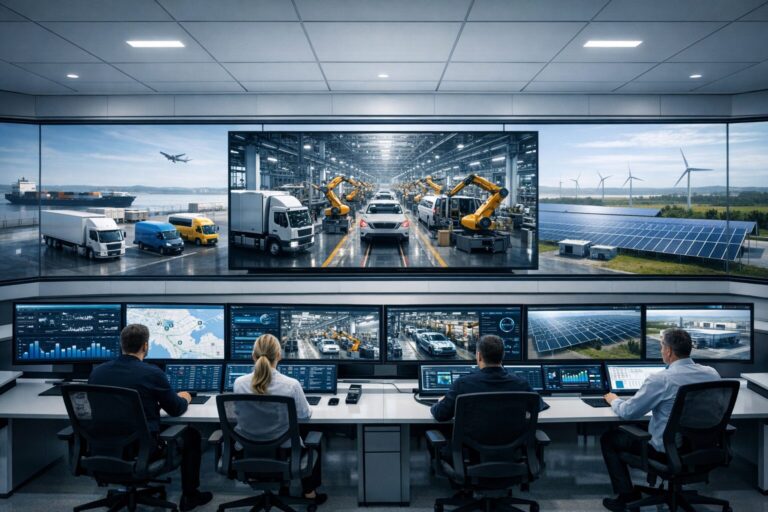

From Turbines to Algorithms: How AI Engineers Are Powering the Next Energy Revolution
From Turbines to Algorithms: How AI Engineers Are Powering the Next Energy Revolution
Energy isn’t just about keeping the lights on anymore—it’s about strong>building smarter, more adaptive systems that balance economics, ecology, and innovation. The new wave of engineers—those who can bridge traditional mechanical systems like turbines with data-driven intelligence—are leading the charge.
In the Source article, we meet an engineer who embodies this transformation: someone using algorithms to optimize energy distribution on a global scale. But while these breakthroughs sound massive and industrial, the underlying technology—AI-driven energy analytics—has implications for **small businesses, creators, and entrepreneurs** too. Let’s break it down and see how it can work *for you*.
What Is AI-Driven Energy Optimization?
Think of AI-driven energy systems as your business’s digital co-pilot for energy efficiency. They merge physics-based engineering data (like how turbines generate power) with algorithmic intelligence that learns from patterns—consumption rates, costs, environmental conditions, or even time-of-day usage.
In practice, these systems use **data analytics and predictive modeling** to spot inefficiencies, reduce waste, and forecast future needs.
Today, these technologies use:
– **Machine learning**, which finds hidden trends in energy usage.
– **Smart sensors and IoT devices**, which track live data about energy flow.
– **Data visualization dashboards**, giving clear insights on when and how to optimize.
For large-scale energy grids, this means optimizing global power access. But for you—a small business owner or creator—it means **lower bills, greener operations, and better margins**.
Why It Matters to Small Businesses and Creators
Most entrepreneurs rarely think about energy beyond paying the monthly bill. But the same algorithms managing global turbines can empower your studio, store, or office.
Here’s what’s in it for you:
– **Save time and money:** Automated systems handle energy efficiency monitoring for you.
– **Sustainability sells:** Customers love brands that make visible eco-friendly choices.
– **Data clarity:** Instead of reacting to high costs, you can predict and prevent them.
Let’s look at how this plays out in real life.
3 Real-World-Style Use Cases
1. The Coffee Shop That Cut Its Electric Bill by 18%
A small café owner in Chicago installed smart IoT sensors connected to an AI energy dashboard. The system learned when equipment (like grinders and ovens) was underused and automated “power-off” settings overnight. Within a month, the café saved almost 20% on energy—all automated, no extra labor.
2. The Creative Studio Scaling Green Credentials
A design studio partnered with an AI-powered energy management platform to track carbon output and automate sustainability reporting. They not only earned tax incentives but used their sustainability report in marketing, driving new high-value B2B clients.
3. The Remote Data Farm
A small IT consultancy managing multiple cloud servers used energy forecasting tools to predict peak hours when running simulations was cheaper. AI helped schedule workloads during off-peak hours, reducing operational energy costs by up to 30%.
Each of these examples shows the same principle: *an engineer’s algorithm in the power industry can become your business advantage*.
Try This in 10 Minutes
Want a taste of AI-driven efficiency today? You don’t need an engineering degree or an enterprise grid. Here’s a **10-minute trial run**:
1. **Pick a baseline metric** — Check your current weekly energy costs.
2. **Choose a smart energy tracking app or device** — Plenty of affordable options sync with business or home systems.
3. **Set a goal:** Maybe you want a 10% cut in energy use in two weeks.
4. **Automate off-hours** — Use smart plugs or app scheduling so lights and devices shut down after hours.
5. **Review weekly reports** — The app will visualize your usage and savings trends over time.
You’ll immediately get a feel for how AI translates into real-world cost control. Bonus: the environmental halo doesn’t hurt your brand image, either.
The Bigger Picture: From Local Efficiency to Global Impact
Every small adjustment adds up. When entrepreneurs adopt AI-powered systems, we collectively push for smarter grid behavior and demand-driven generation. You become part of a macro-movement toward efficient energy use—leveraging the same kind of data that global engineers rely on to bridge energy access worldwide.
That’s the beauty of this trend: **it democratizes energy intelligence**. What began as advanced modeling for wind turbines is now accessible to the small shop next door.
FAQs
**1. Isn’t this technology too expensive for small businesses?**
Not anymore. Cloud-based AI solutions and simple IoT devices have made it affordable, often paying for themselves through reduced bills within months.
**2. Do I need specialized training to use it?**
Nope. Most AI energy platforms provide plug-and-play dashboards, mobile apps, or even chatbot-style assistants that guide you through every step.
**3. How quickly can I see results?**
Most small businesses start noticing measurable energy savings within the first month—especially if they use automation to shut down idle equipment.
The Energy-Data Mindset Shift
The real energy revolution isn’t only happening in labs or power plants—it’s happening wherever business owners embrace data. The same algorithms bridging global energy gaps can **bridge your profit gaps** too.
Start experimenting, track your progress, and think in terms of systems and patterns, not just utility bills. The engineers are building smarter grids; you’re building a smarter business. Both are connected.
So, are you ready to plug into the future?