When Therapy Becomes Another Closed Door: How Traditional Mental Health Care Fails Survivors of State Violence
When Therapy Becomes Another Closed Door: How Traditional Mental Health Care Fails Survivors of State Violence
When someone steps into a therapy room, they’re often hoping for safety—a space where healing can start. But for survivors of torture, forced displacement, and state violence, many traditional Western therapy models unintentionally **replicate the very dynamics of control, silence, and powerlessness** that caused their trauma in the first place.
This article explores *why* that happens, how we can do better, and what it means for anyone trying to build a more compassionate path to healing and connection—whether you’re a survivor, a therapist, or simply someone who wants to understand.
The Problem: When Healing Spaces Hurt
The Western model of therapy is built on certain assumptions: privacy equals safety, talking equals healing, and diagnosis equals understanding. But those frameworks were developed mostly for people who share similar cultural and social experiences—and **they often break down when applied to survivors of systemic violence or repression**.
In the Source article, author Elizabeth Isadora Gold explores how standard therapy practices can alienate these survivors. A few examples:
– **Therapy behind closed doors:** For someone who has been interrogated or detained, the privacy of a shut office can feel like a threat, not a refuge.
– **The “talk it out” model:** Verbal expression assumes safety in sharing. Survivors of political trauma may have learned that speech can be dangerous.
– **Individualism as the norm:** Western psychology prizes autonomy, but many survivors draw strength and identity from community.
When these cultural clashes go unrecognized, therapy can become another place where survivors feel unseen, unsafe, or even retraumatized.
What Survivors Really Need
Healing from torture or state violence requires more than individual analysis or emotion management. **It calls for collective, relational, and culturally grounded healing.**
What does that look like?
– **Community involvement:** Healing happens within trusted networks, not necessarily behind a therapist’s door.
– **Body and mindfulness practices:** Approaches that reconnect a survivor with their body—without forcing words—can rebuild trust in safety.
– **Therapists as listeners, not experts:** Practitioners must acknowledge power imbalances and learn from the survivor’s lived context.
– **Cultural and political awareness:** True care considers the oppression and systems that created the trauma.
For anyone working with or supporting survivors, this perspective shift—from treating symptoms to restoring agency—can transform what recovery actually means.
Real-World Style Use Cases
Use Case 1: Rebuilding Safety Through Ritual
Farah, a survivor of political imprisonment, found therapy retraumatizing at first—the locked door reminded her of her cell. Her therapist adapted by holding sessions in a community garden. The open space, sunlight, and gentle routine of caring for plants gave Farah a sense of **shared freedom** that talking never had.
Use Case 2: Community as Co-Therapist
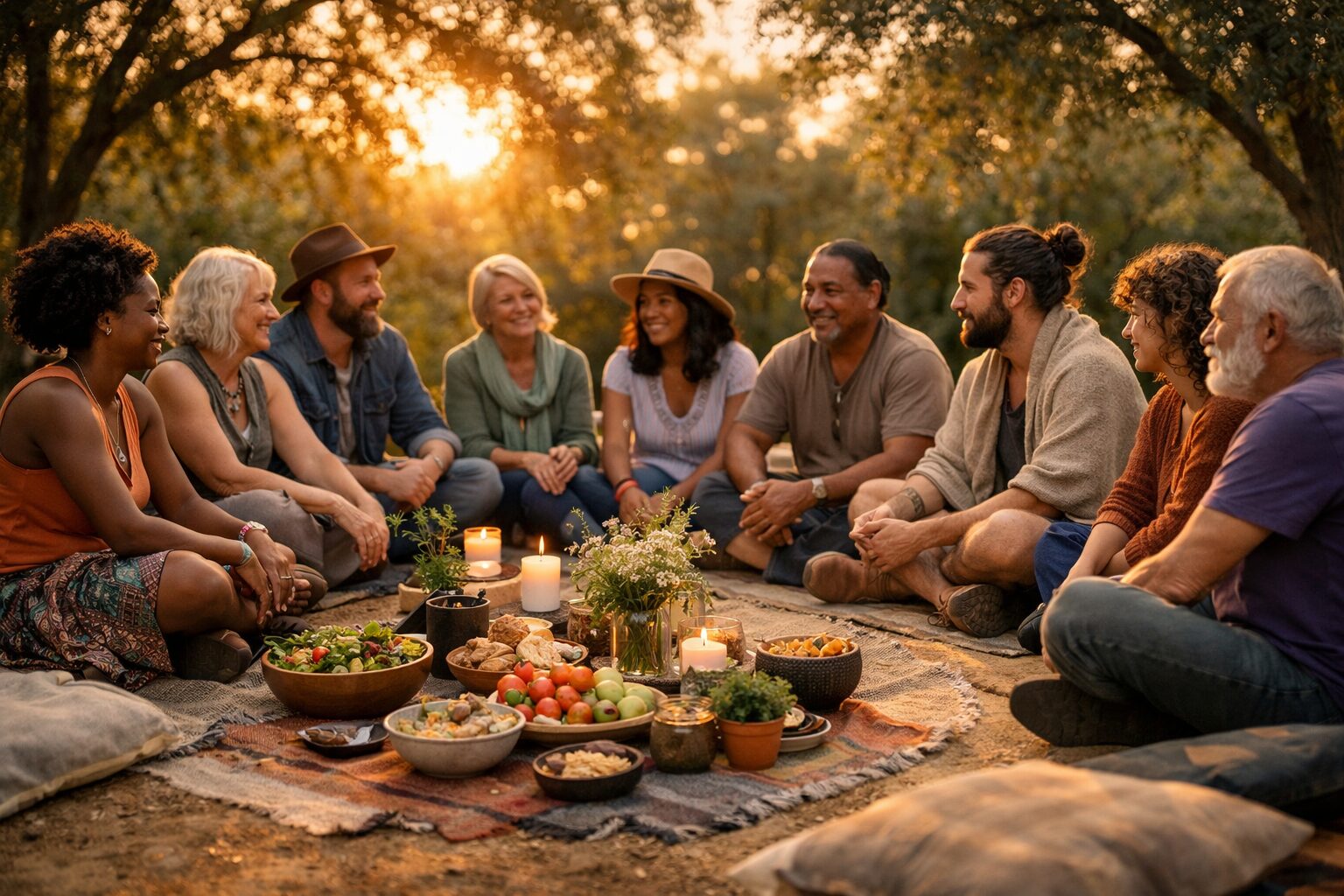
After surviving state-sponsored violence, José didn’t connect with private therapy sessions. Instead, he joined a **peer support circle** of other refugees. The group shared food, songs, and silence. Healing came not from dissecting pain but from **belonging**.
Use Case 3: Therapist as Cultural Student
A Western-trained clinician working with Syrian refugees realized early that her clinical tools weren’t landing. Instead of doubling down, she **invited cultural educators** from the refugee community to co-design sessions using poetry, prayer, and storytelling rituals. Trust grew organically, and so did healing.
Try This in 10 Minutes: Reframing Safety
Ready to bring this insight into your own life—whether you’re a trauma survivor, a therapist, or simply seeking more inclusive healing practices? Try this 10-minute reflection.
1. **Find a space that feels open.** It doesn’t have to be quiet—just somewhere your body feels at ease.
2. **Ask yourself:** What does *safety* actually feel like, not just look like? Is it open air? Familiar sounds? Shared company?
3. **Write or draw** what safety means to you—no words required.
4. **Identify one micro-action** that builds that sense of safety into your daily life (lighting a candle, checking in with a trusted friend, taking five deep breaths before therapy, etc.).
This isn’t therapy—it’s awareness. And awareness is where new possibilities for healing begin.
3 FAQs About Survivors and Mental Health Care
**Q1: Why doesn’t traditional therapy always work for survivors of torture or state violence?**
Because it often centers Western cultural values—like individualism, verbal expression, and privacy—that don’t align with how many survivors experience safety and healing.
**Q2: What can therapists do differently?**
They can start by **acknowledging systemic trauma**, practicing humility, and including culturally relevant practices. Collaboration with community healers and advocates can make therapy more inclusive and empowering.
**Q3: How can survivors find support that feels right for them?**
Look for trauma-informed or community-based programs, cultural healing circles, or mindfulness groups that integrate body awareness, art, or spirituality. Healing isn’t limited to one format—or one language.
The Bigger Picture and Your Takeaway
When therapy fails survivors of trauma and political violence, it’s not because survivors are “resistant.” It’s because **our healing systems are too narrow.** Expanding them means listening differently—valuing culture, community, and dignity as much as technique.
If you’re a survivor, you are not broken for feeling unwelcome in traditional spaces. If you’re a practitioner, you have the power to reshape your practice to be truly safe and transformative.
**Your next move:** Reconsider what “safe space” really means—for you, for others, and for the spaces you create. Healing doesn’t start with a closed door. It starts with listening—and opening the door wider.
**null
**null