
Can Compassion Really Save the Planet?
Can Compassion Really Save the Planet?
What if the key to environmental change isn’t just technology or policy—but **compassion**? The idea might sound soft compared to hard data on carbon emissions or rising sea levels. Yet, compassion could be the missing force that makes sustainable action stick. When we actually care—about others, about ecosystems, about future generations—our choices start to change in ways legislation alone can’t touch.
According to the Source article, compassion isn’t just a personal virtue; it’s a planet-saving strategy. It helps people reconnect with nature, understand the shared stakes of our climate crisis, and take responsibility for small but powerful daily choices. And when enough individuals act from that mindset, bigger systems begin to shift too.
Let’s explore how compassion might be our secret weapon for resilience, innovation, and sustainability—and how *you* can start living that change today.
The Compassion–Climate Connection
At first glance, environmental issues appear to be about science—emissions, deforestation, oceans rising. But beneath those facts lie human behaviors: consumption, waste, and indifference. Compassion interrupts that loop.
When you see the world through a lens of empathy:
– You consider how your actions ripple outward—how a quick online purchase or discarded coffee cup affects distant ecosystems.
– You look for common ground instead of blame, forging collaboration between communities that might otherwise compete for resources.
– You start acting for the collective good, not just personal convenience.
Compassion shifts sustainability from *obligation* to *connection*. It reminds us that caring for the planet is really just caring for each other on a global scale.
Turning Compassion Into Everyday Practice
It’s easy to care abstractly about the environment. But how do you *practice* compassion in ways that actually help the planet?
Here are three real-world style examples that show compassion in action:
1. The Office Sustainability Spark
Marisa, an HR manager at a marketing firm, noticed her team was great at client empathy but not so much at eco empathy. Instead of scolding about plastic use, she organized a “Lunch & Learn” about how sustainable choices reduce global inequality. By shifting focus from guilt to compassion—understanding the people behind resource shortages—her company cut waste by 35% and built a more mindful workplace culture.
2. The Neighborhood Garden Network
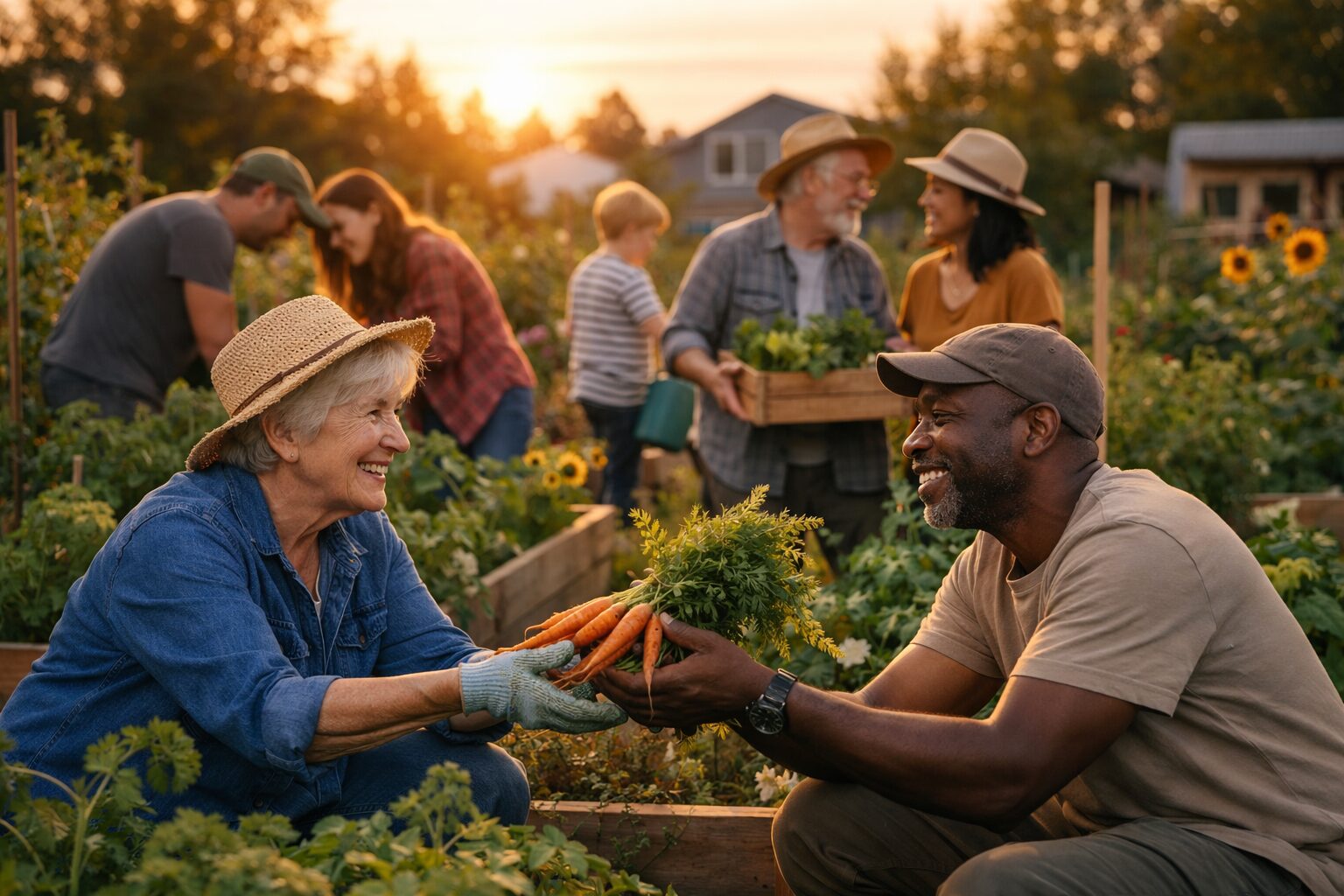
When retired teacher Jake started volunteering at his city’s community garden, he thought he was just helping plants grow. But as he connected with newcomers struggling to afford fresh food, he realized the garden was more than green space—it was compassion in motion. Now, Jake leads workshops that link sustainable gardening to human well-being. The result? Better harvests, stronger neighbor ties, and a lot fewer plastic produce bags.
3. The Conscious Shopper Story
Sofia, a college student, began researching where her favorite brands sourced their materials. The more she learned about factory conditions and environmental footprints, the more her mindset shifted. Now, she chooses fewer but better-made clothes—spending less overall but supporting ethical producers. Her compassion for both people and the planet fueled a sustainable lifestyle she actually feels proud of.
Each of these people used compassion not as a slogan, but as a guide to action. They understood that caring deeply drives longer-lasting change than any fear-based campaign.
The Ripple Effects of Compassion
When compassion becomes part of culture, you start to see tangible outcomes:
– **Environmental resilience:** Communities that care for each other recover faster after disasters. Mutual aid and resource sharing reduce waste and suffering.
– **Sustainable innovation:** Compassion-driven thinking encourages design that benefits all stakeholders—humans, animals, and ecosystems.
– **Stronger advocacy:** People grounded in empathy communicate more effectively across political divides, pushing climate solutions that last.
Compassion isn’t a distraction from science—it’s the *fuel* that helps us apply science wisely.
Try This in 10 Minutes
You don’t need to overhaul your life to live more compassionately today. Here’s a simple start:
1. **Pause and notice.** Pick one daily habit that impacts the environment—maybe driving, energy use, or single-use packaging.
2. **Ask “who or what is affected?”** Imagine the ripple of that action on others—workers, wildlife, future communities.
3. **Choose one small upgrade.** Maybe you walk to the store once a week, refill a bottle, or turn down unnecessary packaging.
4. **Reflect nightly.** Before bed, note one moment where compassion influenced your choice. Over time, it becomes second nature.
Ten minutes is enough to plant the seed. Keep watering it, and soon your compassion will grow roots in everything you do.
FAQs
**Q1: Isn’t compassion too “soft” to tackle a problem as big as climate change?**
Not at all. Compassion isn’t sentimental—it’s strategic. It motivates consistent, value-driven action instead of short-term reactions. Climate solutions that ignore human emotion rarely last.
**Q2: How does compassion differ from environmental activism?**
Activism focuses on *doing*; compassion focuses on *being*. When you blend them, you get sustainable action that doesn’t burn out or alienate others. Compassion gives activism heart and endurance.
**Q3: What’s one first step for someone new to compassionate living?**
Start local. Look for one place—home, school, office—where empathy and sustainability intersect. A small action rooted in care beats a perfect plan driven by guilt.
Bringing It All Together
Compassion can absolutely help save the planet—maybe not through a single heroic act, but through millions of micro-choices powered by empathy. When your care expands beyond your own comfort zone, you move from being just a consumer to being a **participant in planetary healing**.
The science, policy, and innovation matter—but compassion fuels the courage to keep showing up for them. The more we connect heartfully with the Earth and each other, the more resilient our future becomes.
**Ready to start?** Commit to one compassionate change this week—something visible, doable, meaningful. Then share it. Because compassion spreads fastest when it’s seen in action.