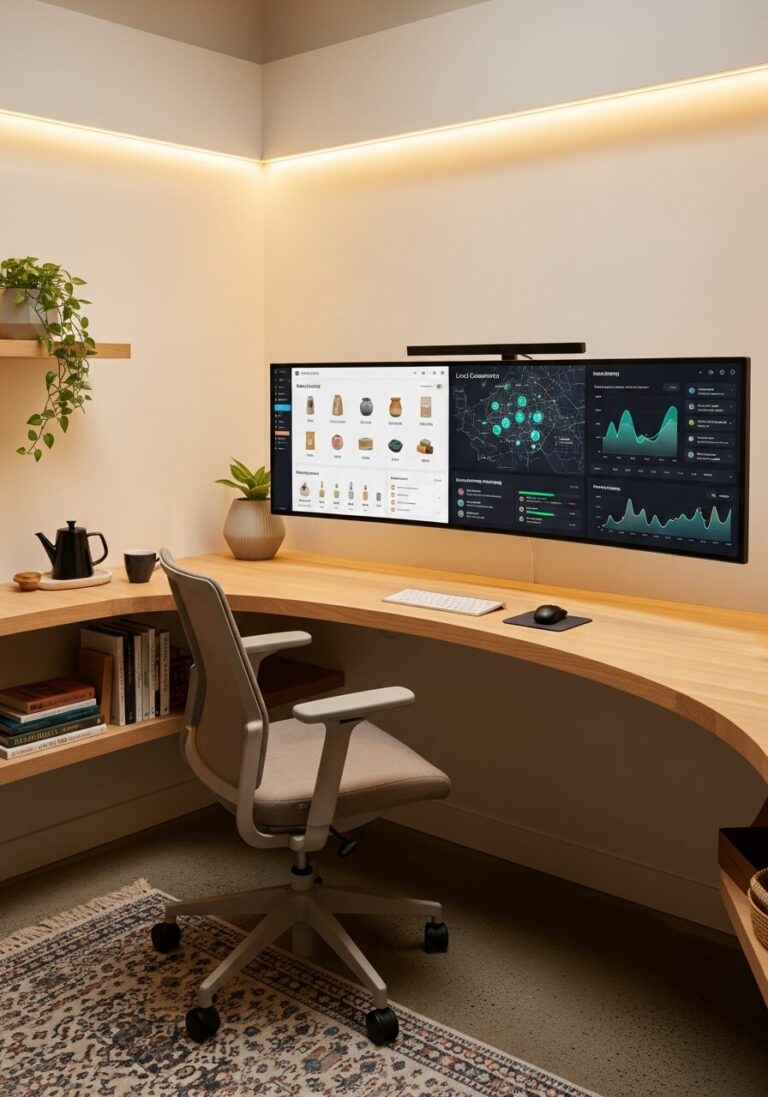

Engineering Predictable Access: How AI is Rewiring Healthcare Efficiency
Engineering Predictable Access: How AI is Rewiring Healthcare Efficiency
If you’ve ever spent 30 minutes on hold just trying to confirm a doctor’s appointment, you already know the great paradox of modern healthcare: world-class medicine, clunky logistics. That disconnect is cracking open a massive opportunity for **AI-driven operations**—and leaders like Casey Hite are showing what happens when we let machine learning handle the chaos.
In a recent Source article from *AI Time Journal*, Hite’s approach to “engineering predictable access” showcases an emerging shift. Think of it as operations powered by foresight: advanced algorithms predicting bottlenecks, scheduling intelligently, and ensuring patients (or customers) don’t fall through the cracks.
But this shift isn’t just for hospitals. **Small business owners, creators, and startups** can use the same ideas to streamline operations, save time, and boost revenue predictably—whether you’re a medtech startup or a solo consultant juggling 20 clients.
Let’s unpack what predictable access really means, and how you can use its principles to smooth your own business flow.
What Is Predictable Access in AI-Driven Operations?
“Predictable access” sounds fancy, but it’s refreshingly practical: it’s about **using AI to anticipate demand, manage workflows, and reduce uncertainty** in service delivery.
In healthcare, that means predicting patient traffic, automating scheduling, or rerouting staff capacity before an overload hits. In business terms? It’s using predictive analytics to:
– Forecast customer demand
– Allocate resources more efficiently
– Automate scheduling, inventory, or communications
– Minimize downtime and maximize revenue flow
AI’s role here is to crunch real-time data—appointment histories, time-of-day usage, demographic insights—and *prevent* inefficiencies before they happen.
Imagine that level of insight in your business operations. Predicting who’ll need your service next week? Pre-scheduling tasks automatically? That’s not science fiction; it’s just good predictive engineering.
Why Small Businesses Should Care
AI-enabled predictability translates directly to **lower costs, fewer headaches, and higher customer trust**. For a small business, that’s a competitive trifecta.
Here’s how:
1. **Time saved becomes capacity earned.** Scheduling, admin work, or inventory management—AI tools can take these off your plate entirely.
2. **Predictability builds loyalty.** When customers consistently get timely responses or products, they start trusting you like clockwork.
3. **Data-driven insights = smarter scaling.** Every prediction teaches your system—and your team—how to plan better.
The big takeaway? Predictability frees up entrepreneurs to focus on creativity and growth, not firefighting.
Real-World Use Cases
Let’s ground this in a few realistic examples, inspired by the same principles powering healthcare efficiency models.
Use Case 1: Predicting Customer Flow for a Wellness Studio
A busy yoga studio juggles four instructors, multiple class types, and unpredictable drop-ins. AI tools like scheduling assistants analyze attendance data, weather patterns, and instructor popularity to predict next week’s demand.
Outcome: the software auto-adjusts class sizes, sends reminders to likely “no-shows,” and smooths cash flow by keeping attendance steady. The owner? Finally taking Sunday off.
Use Case 2: Streamlining Creator Workflows with Smart Scheduling
A digital content creator uses an AI task manager to predict peak productivity windows (based on engagement metrics and personal workflow data). The system automatically plans production day blocks and client deadlines for optimal output.
Outcome: predictable income pipelines, fewer missed deadlines, and more consistency across launches.
Use Case 3: Retail Resource Forecasting
A boutique retailer runs AI models on POS data to forecast product demand ahead of holidays. The system predicts which items will spike, alerts suppliers early, and schedules delivery precisely when inventory dips.
Outcome: no out-of-stock panic, no last-minute rushes, and 25% less overstock waste.
Try This in 10 Minutes
Want to dip your toes into predictable access thinking—without hiring a developer team? Here’s your 10-minute quick start:
1. **Pick one recurring operational headache.** (Late payments? Scheduling gridlock? Supply delays?)
2. **Look for an AI-powered automation tool** related to that problem. Some ideas:
– *Calendly* or *Motion* for smart scheduling
– *Notion AI* or *ClickUp AI* for workflow predictions
– *QuickBooks Insights* for cash flow forecasting
3. **Feed it 1–2 months of your real data.** Don’t overspend—free trials often reveal a lot.
4. **Set one measurable success metric.** Example: “Reduce missed meetings by 30% in two weeks.”
5. **Review and adjust weekly.** The magic is in the iteration—each week’s data sharpens predictions.
In 10 minutes, you’ve started engineering your own version of predictable access.
FAQs
1. Is AI-driven predictability too expensive for small businesses?
Not anymore. Many prediction-powered tools now run on subscription tiers or plug into apps you already use. You can start under $30/month and scale from there.
2. Do I need to understand coding or machine learning to use this?
Nope. Most tools hide the algorithms under friendly dashboards. You just bring the data—tools handle the math.
3. Can predictable access work outside of healthcare or tech?
Absolutely. Any business balancing supply and demand, service scheduling, or customer interactions can benefit. From coffee shops to consulting firms, predictability equals profitability.
Why This Trend Is Bigger Than Healthcare
The principle behind predictable access goes beyond hospitals—it’s about **engineering calm into complexity**. When your systems anticipate needs instead of react to them, you’re not just optimizing operations; you’re designing trust.
For entrepreneurs, creators, and teams who crave more control over their time and money, AI predictability tools are a clear signal: the future of business isn’t just smart—it’s *steady.*
So here’s your next move: take one recurring business friction point and automate it predictively. That’s your first step toward crafting a more predictable—profitable—operation.
**Your next win is one forecast away.**